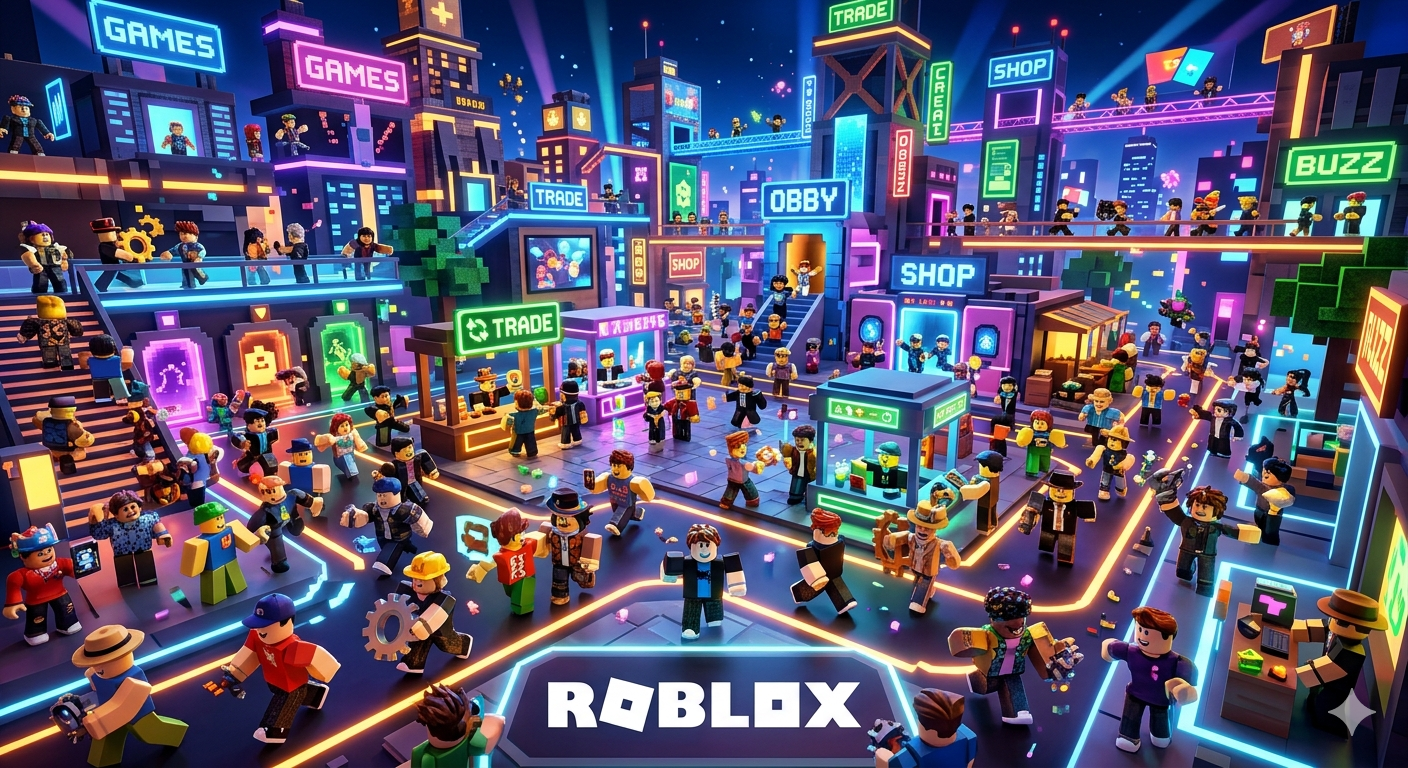
When you jump into a popular Roblox game, everything feels smooth, fun, and effortless. You click, play, and enjoy without thinking twice about what went into building it. But behind every polished experience are hours, sometimes months or even years, of work that players never see. From designing mechanics to fixing bugs, creating a successful game is far more complex than it looks on the surface.
It Starts With an Idea: But That’s the Easy Part
Every game begins with a simple idea. It could be a simulator, an obby, a roleplay world, or something completely unique. But having an idea is only the starting point.
The real challenge is turning that idea into something playable. Developers have to think about:
- What will players actually do in the game
- How long will they stay engaged
- What makes this different from existing games
Many ideas sound great at first but don’t translate well into gameplay. This is why a lot of projects never move past the early stage. The idea is easy—the execution is where the real effort begins.
Designing the Game: More Than Just Building
Game design is not just about placing objects or creating maps. It’s about shaping how players think, act, and feel while playing.
Developers spend a significant amount of time:
- Planning progression systems so players feel consistent growth
- Balancing difficulty so the game is neither too easy nor frustrating
- Creating reward systems that keep players motivated
This phase often involves trial and error. Something that looks good on paper may not feel right in practice. Developers constantly tweak small details to improve the overall experience.
Even simple features can take multiple iterations before they feel “just right.”
The Time Behind Development: It Adds Up Quickly
One of the biggest things players underestimate is how much time goes into building a game.
A typical development cycle may include:
- Initial design phase, where ideas are planned, systems are mapped out, and the overall structure of the game is decided before any actual building begins
- Building and scripting, which involves creating environments, coding mechanics, and ensuring everything works together smoothly
- Testing and fixing issues, where developers spend hours identifying bugs, glitches, or broken systems that could affect gameplay
- Ongoing updates, which continue even after release, adding new content, improving performance, and responding to player feedback
- What might feel like a “simple game” to players could easily represent weeks or months of consistent work behind the scenes.
Testing: The Invisible but Critical Stage
Before a game feels smooth to players, it goes through a lot of testing—much more than most people realize.
Developers don’t just test once. They test repeatedly:
- Checking if features work as intended
- Fixing bugs that break gameplay
- Adjusting mechanics based on how they feel in action
Testing is often one of the longest and most repetitive parts of development.
Why? Because:
- Every new feature can introduce new problems
- Small bugs can ruin the entire experience
- Players notice issues quickly, even if developers don’t
A polished game is usually the result of countless fixes that players never see.
Solo Developers vs Teams: A Big Difference
Not all Roblox games are built the same way. Some are created by individuals, while others are developed by teams.
Solo developers often:
- Handle everything themselves, from designing and scripting to testing and updating, which means progress can be slower but more controlled
- Work at their own pace, balancing creativity with limitations in time and resources
- Face challenges managing multiple tasks at once, which can affect how quickly the game evolves
Teams, on the other hand:
- Divide responsibilities, allowing different members to focus on building, scripting, design, or testing
- Develop faster because multiple parts of the game are worked on simultaneously
- Bring in different perspectives, which can improve quality but also require coordination
Both approaches have strengths and challenges, but they highlight how much effort goes into creating even a single game.
Why Some Games Fail Despite Effort
Not every game succeeds, and it’s not always because of lack of effort.
In fact, many games that don’t gain popularity still have a lot of work behind them.
Common reasons games fail include:
- Poor player retention, where players leave after a few minutes because the game doesn’t hook them early enough
- Lack of clear progression, making the experience feel repetitive or directionless over time
- Strong competition, as similar games may already exist and attract more attention
- Limited updates, which can cause players to lose interest if the game doesn’t evolve
Sometimes, it’s not about quality, it’s about timing, visibility, and how players respond.
Even well-made games can go unnoticed if they don’t connect with the audience.
The Constant Need for Updates
Releasing a game is not the end, it’s just the beginning.
Popular Roblox games stay successful because they keep evolving.
Developers regularly:
- Add new features to keep players interested
- Fix bugs that appear after updates
- Adjust gameplay based on feedback
Without updates, even the best games can lose players over time.
This means developers are constantly working, even after the game becomes popular.
The Pressure to Keep Players Engaged
Once a game gains players, the challenge shifts from building to maintaining engagement.
Developers need to think about:
- What will bring players back
- How to keep the experience fresh
- When to introduce new content
This pressure can be intense, especially for popular games.
Players expect:
- Regular updates
- Smooth performance
- New experiences
Meeting these expectations requires ongoing effort, not just initial development.
Real-World Comparison: Building a Startup or App
Creating a Roblox game is very similar to building a startup or launching an app.
In both cases:
- You start with an idea
- You build something from scratch
- You test, improve, and adapt
- You compete with others in the same space
Just like startups:
- Not every project succeeds
- Some take time to grow
- Many fail before finding success
The process involves risk, effort, and persistence.
What players see is the final product, but what they don’t see is the journey behind it.
Why Players Don’t Notice the Effort
Most players focus on the experience, not the process.
They see:
- Smooth gameplay
- Fun mechanics
- Engaging features
But they don’t see:
- The bugs that were fixed
- The features that didn’t work
- The time spent improving small details
This is natural, good design often feels invisible.
If a game works well, it feels easy. But that “ease” is usually the result of a lot of hard work.
The Reality Behind “Simple” Games
Some Roblox games look simple, but simplicity can be misleading.
Even basic games require:
- Functional systems
- Balanced gameplay
- Consistent performance
The difference is that:
- Complex games show their effort
- Simple games hide it
Either way, effort is always there, it just isn’t always visible.
Final Thoughts
Popular Roblox games may feel effortless when you play them, but behind that experience is a huge amount of unseen work. From planning and design to testing and constant updates, every stage requires time, patience, and problem-solving. Whether it’s a solo developer or a full team, the process is demanding and often uncertain. Once you understand the effort behind it, you start to see these games differently, not just as something you play, but as something carefully built over time.